

Coughlin Ford of Circleville

Blog / Auto Repair in Circleville, OH

5 Engine Problems You Should Always Fix at Your Ford Dealer

A woman checking out her over heating engine.

If your Ford is showing signs of engine trouble, you should visit your Ford dealer immediately for repairs. If ignored, minor engine problems can quickly worsen and lead to costly repairs. You should look out for the warning signs of trouble and bring your Ford to the dealership for a diagnosis.

1. Check Engine Light Comes On

Your Ford's check engine light is designed to alert you when the vehicle's onboard computer has detected an issue with one of the engine systems. The light could signify various engine issues, such as:

  • Loose or faulty gas cap
  • Oxygen sensor failure
  • Mass airflow sensor malfunction
  • Ignition coil failure
  • Spark plug issues
  • Computer sensor issues


Without professional help, it's difficult to pinpoint the exact reason your check engine light is on. Ford-trained dealer technicians have advanced diagnostic tools that can read the error codes and pinpoint the exact problem with your engine.

2. Engine Turns Over Slowly

When you start your vehicle, the engine should turn over instantly and smoothly. If the engine is taking too long to turn over, there may be a problem with the starter components. Normal wear on parts like the battery, starter motor, spark plugs, and alternator can lead to delayed ignition.

While it may seem like a minor inconvenience, delayed ignition can strain the entire starter system and cause failure. It's best to have your dealer test the battery and check the starter components for wear and tear.

3. Overheating Engine

If your Ford's temperature gauge is creeping toward the red zone, you should get the engine checked immediately. Overheating occurs due to low coolant, coolant leaks, a defective water pump, or a faulty thermostat. If left unchecked, overheating can cause premature wear of metal components inside the engine.

4. Vehicle Keeps Stalling

Stalling usually stems from insufficient fuel to keep the engine running. It can also occur if the spark plugs are faulty and unable to maintain the spark required to ignite the air-fuel mixture in the cylinders. A clogged fuel injector, defective MAF sensor, or failing fuel pump can also cause random stalling in your Ford. Dealer technicians can inspect the ignition parts and fuel system to locate and repair the faulty components.

5. Loss of Power

Is your Ford losing power or struggling to accelerate even when you floor the gas pedal? A loss of power usually indicates problems like cylinder misfires due to worn spark plugs, computer issues, damaged oxygen sensors, or faulty ignition coils. If you don't fix these defects, your Ford's fuel economy will be poor.

Address these engine issues before they become major repairs. Contact Coughlin Ford of Circleville to schedule engine repairs with our Ford-certified technicians.

Posted in:

Related Posts

Ford Service Department in Circleville, OH

Maintaining Your Ford Spark Plugs: Replacement Intervals

Has your engine begun to cough and sputter? Is it taking longer to start in the morning? It may be time to replace one or more of your spark plugs, which are crucial for the combustion process to work. Here's a guide to Ford spark plug replacement and how long each type of spark plug lasts. Copper Spark Plugs The most widely used spark plugs are made of copper, typically with nickel alloy at the electrodes. These metals are wonderfully conductive for electricity but also have the broadest electrode diameter, which requires more current draw for each spark. As copper and nickel alloy are softer metals, copper plugs wear down fastest and will usually need to be replaced every two years (20,000 to 30,000 miles). more Platinum Spark Plugs While platinum is less conductive than copper, it's far more durable. Spark plugs with platinum electrodes can be expected to last 60,000 to 100,000 miles, or four to seven years. They sometimes have slightly worse sparking performance than copper plugs but make up for this in lifespan. Iridium Spark Plugs The gold standard of spark plugs are made from iridium, which is highly conductive and also has a much lower melting point than both copper and platinum. Your iridium plugs should last for 75,000 to 125,000 miles (five to nine years) and sometimes longer. The hardness of iridium allows for very narrow electrode tips and a highly concentrated spark, which equates to excellent engine performance. Signs of Worn-Out Spark Plugs If one or more of your spark plugs is fouled or faulty, your engine will misfire. This means the spark plug is no longer igniting the fuel properly inside the cylinder. Your car will lose power, making it harder to accelerate, and also idle roughly, sputtering and shaking as it clearly struggles to stay alive. You may also experience backfiring and see smoke emerge from the tailpipe as unburned fuel leaks back into the exhaust system. Misfiring spark plugs can rapidly lead to other problems, such as unburned fuel in the exhaust damaging or destroying the catalytic converter. With the engine failing to combust fuel effectively, you might also find yourself suddenly stranded at an inopportune moment, unable to start your car. Always have failing spark plugs repaired or replaced as soon as you notice signs of misfiring. Plan for Ford Spark Plug Replacement in Your Maintenance Schedule Preventative maintenance will allow you to predict when your spark plugs are likely to need replacing. Our technicians can inspect each plug during your routine engine tune-ups, installing replacements as required. Visit Coughlin Ford of Circleville in Circleville, OH, today to have your spark plugs and engine checked by experienced technicians. Whatever your automotive needs, we provide prompt solutions with courteous customer service.

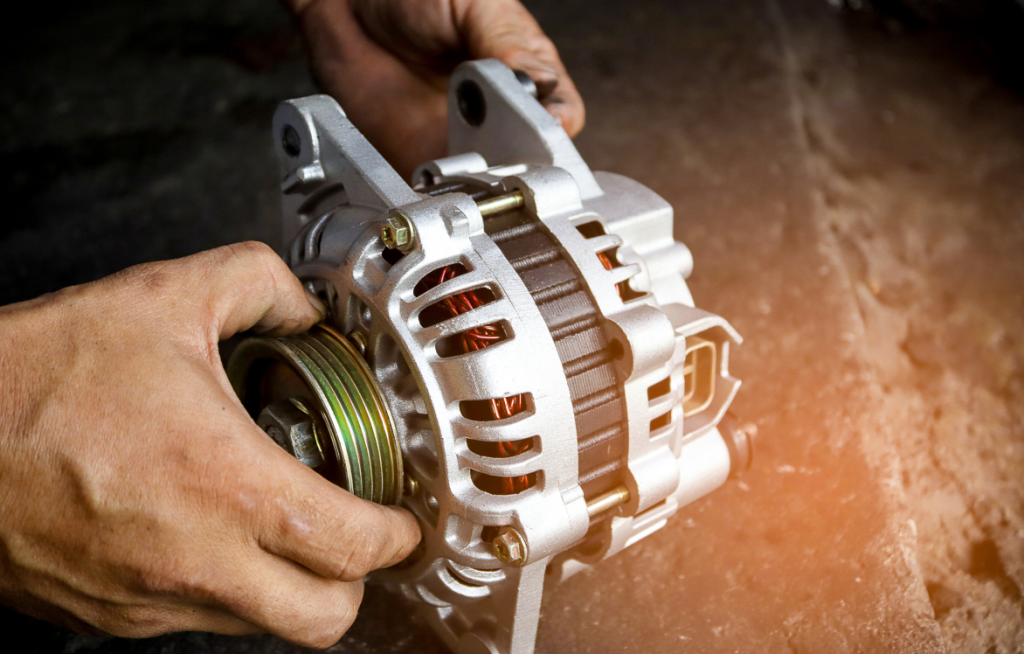
Vehicle alternator.

Signs Your Ford Needs an Alternator Repair

The alternator is one of your Ford's most essential components, as it produces the electricity that allows almost every other system to work. As time passes, the alternator can become worn or damaged. Alternator problems can cause various effects, ranging from dim headlights to starting difficulties. As your Ford dealership, we'd like you to know a few signs that you need to visit us for an alternator repair. Burning Smells Foul, burning smells from under the hood could mean the alternator is in trouble. The three most common causes of these smells are an overheating alternator, a jammed pulley, and worn wiring. Wiring becomes fragile as it ages, and it can break. The alternator will continue to supply power to the broken wire, which heats up. The hot wire can cause the protective wire insulation to burn, and you'll smell burning plastic. A burning rubber smell could be due to a jamming alternator belt. The alternator belt moves at speed across several pulleys, which causes the pulleys to spin. A jammed pulley will cause friction as the belt moves over it, and you'll smell burning rubber. Finally, a hot metal smell could be due to a worn alternator struggling to produce power and overheating. We'll examine your engine and fix the cause of the burning smell. more Bad Battery One of the alternator's functions is to recharge the battery. It charges the battery at full power for ten minutes, then switches to charging at 10% of capacity until the battery is replenished. The reduced charging rate prevents damage to the alternator and the battery: the charging rate drops when the battery signals that the initial charge was received. If your battery is failing, the signal won't be sent. The alternator will continue to charge the battery at full. The alternator will spin faster to try and supply more power, increasing the chance of damaging its components or causing it to overheat. We'll replace your battery and test your alternator to ensure it's in good condition.​​​​​​​​​​​​​​​​​​​​​​​​​​​​​​​​ Flickering Lights Flickering lights are usually a sign that the bulbs are going to blow. They can also be a sign that your alternator is wearing out. An older alternator slows down due to aged components, and this slowdown reduces its electricity production. The reduction is incremental, but also irreversible. When the alternator can't supply enough power for all your car's systems, your Ford's computer has to allocate the available power. Headlight bulbs are sensitive to power fluctuations, and the shifting level of electricity will cause the bulbs to flicker. Our technicians will check your bulbs and test the alternator to determine if it's causing the issue. Once we've identified the source of the problem, we'll repair it. If you suspect your alternator is failing, contact our service department ASAP at Coughlin Ford of Circleville in Circleville, OH.

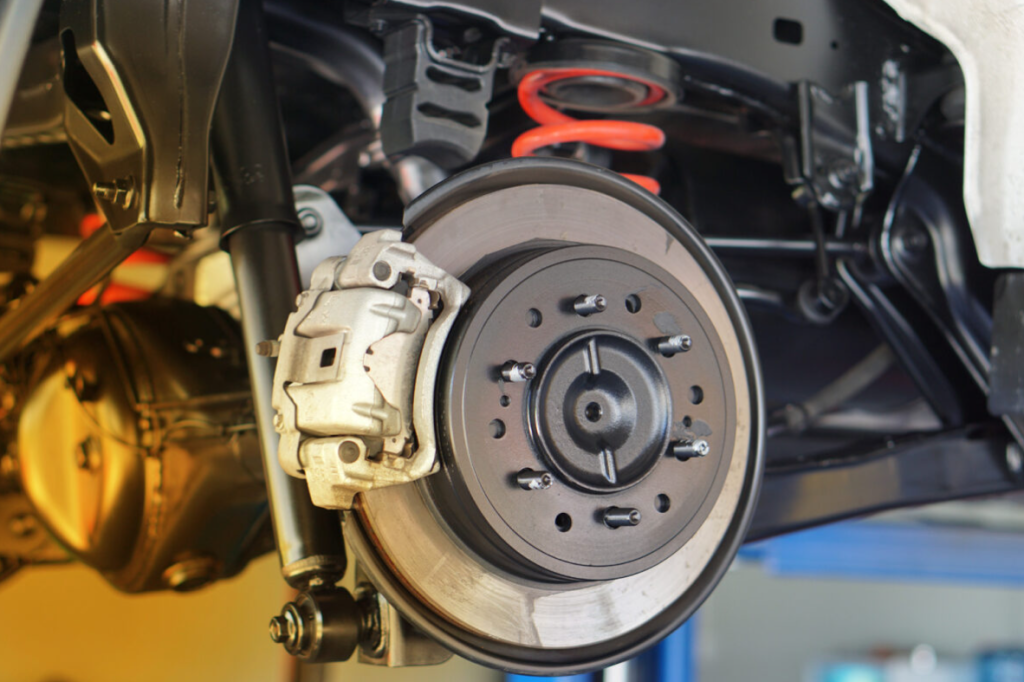
Exposed vehicle brakes.

Visit Your Dealership: Navigating Brake Repairs for Your Ford

Even excellently maintained vehicles need repairs sometimes. The local Ford dealership can take care of all the repairs your vehicle needs. This includes brake repairs. The dealership can also perform preventative maintenance on your brakes so they're less likely to fall into disrepair. How Often You Should Visit the Ford Dealership for Brake Service You need to have your brakes inspected at the Ford dealer at least once a year. That way, your dealer can make sure there's nothing wrong with the braking system. If there are problems, then you can have them repaired before they start causing major issues with how your braking system works. There are some forms of brake maintenance you need regularly, too. You'll need to top up your brake fluid level if it becomes too low, and you should have the brake fluid replaced every two years. The brake pads also need to be replaced regularly. Typically, they're replaced after every 20,000 to 70,000 miles you drive. more Signs You Need to Head to the Dealer for a Brake Repair You Notice Issues with Your Brake Pedal When there's a problem with your braking system, your brake pedal may feel different. If you notice that the pedal has started to sit lower than usual, then you should definitely head to the dealer for a checkup. Sometimes you'll notice a lack of resistance or a spongy feeling when you step on the brake pedal, too. This also indicates a problem. You Feel Vibrations When Using the Brake Pedal You shouldn't feel your brake pedal move when you step on it to activate the brakes. The only time it should vibrate is if you have anti-lock brakes and you have to brake aggressively in an emergency stop. If the pedal vibrates during normal braking, then it can be a sign your rotors are warped. You Notice Your Vehicle Pulling to One Side Sometimes your brake linings can wear down unevenly. This may result in your vehicle pulling to one side when you step on the brake pedal. However, this pulling isn't always caused by unevenly worn brake linings; it can indicate that you need to have your brake fluid replaced, too. You Notice Reduced Responsiveness Reduced responsiveness can be very dangerous and requires immediate attention. You may find that it takes a little longer than normal for your car to stop after you step on the brake pedal. The problem may not be very serious at first, but if it gets worse, then it could lead to you getting into some dangerous situations. If your brakes are faulty, then you need to visit the dealer ASAP. Stop by Coughlin Ford of Circleville in Circleville, OH so we can take care of the problem.